Hangod: A Bold Font for Business Branding
It started with a simple request from a customer who wanted a custom label for her handmade soap. I had been using the same font for all my packaging, but it felt a little plain and didn’t quite match the vibe of the products. That’s when I discovered Hangod.
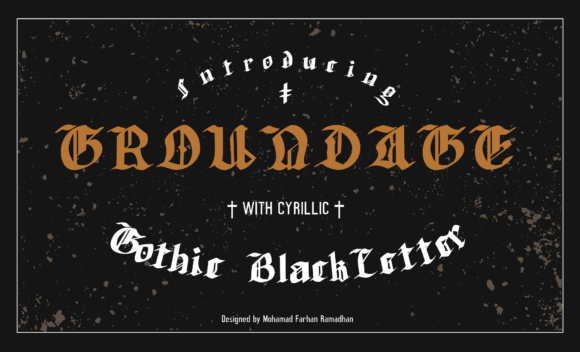
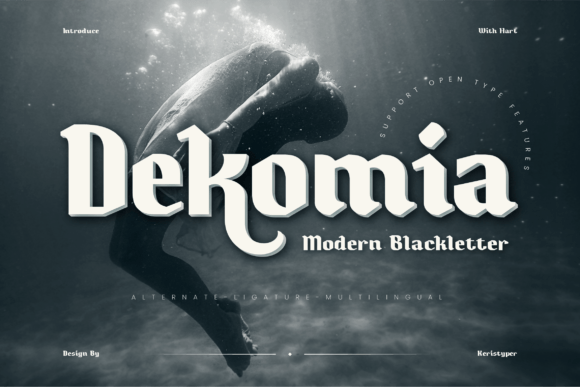
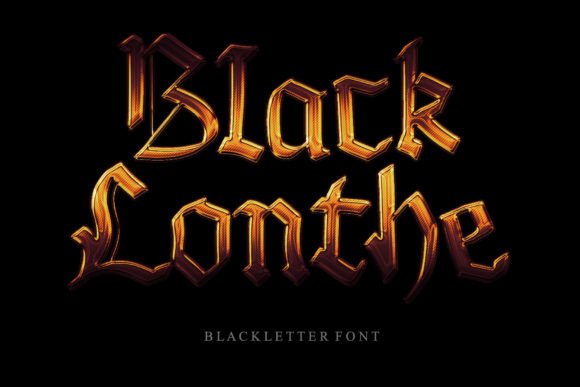
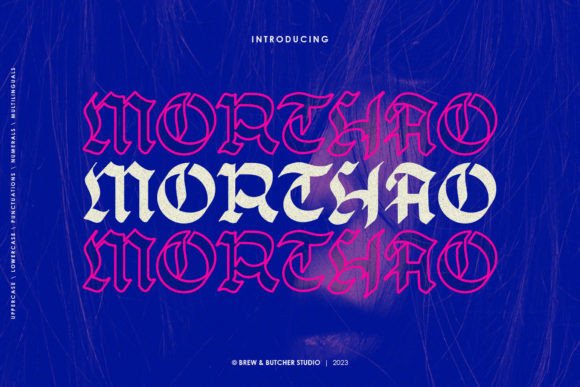
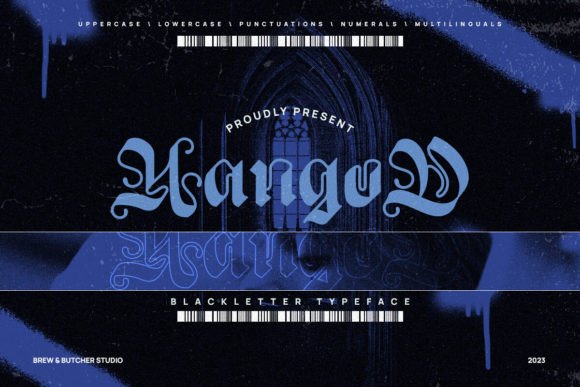
Hangod is a blackletter typeface with a unique, connected style. The letters flow together with curved lines, creating a sense of unity that feels both elegant and mysterious. It has a slightly spooky, gothic feel, which makes it perfect for brands that want to stand out while still maintaining a level of sophistication.
As a small business owner, I’ve learned that typography plays a huge role in how customers perceive a brand. It’s not just about looking good—it’s about making a lasting impression. When I first tried Hangod on a label, I was struck by how much more professional it looked compared to the standard fonts I had been using.
I started experimenting with it on different materials. For a bakery box, it gave the design a vintage, artisanal feel. On a skincare label, it added a touch of elegance without being too overwhelming. Even on a candle jar, it made the product feel more exclusive and high-end.
One of the things I love most about Hangod is how versatile it is. It works well as a headline or a logo, but it also shines when used in smaller, decorative accents. I’ve used it on thank-you cards, stickers, and even social media graphics. It adds a personal touch that makes everything feel more intentional.
Typography isn’t just about aesthetics—it affects how people interact with your brand. A well-chosen font can make your business feel more trustworthy and consistent. When I updated my packaging with Hangod, I noticed that customers were more likely to remember the brand and come back for more.
Of course, there are some things to keep in mind when using a blackletter font like Hangod. It’s best suited for short phrases and headlines rather than long paragraphs. For example, I pair it with a clean sans serif font for body text on menus and flyers. This creates a nice contrast and keeps the design from feeling too busy.
When working with small labels or mobile screens, it’s important to test the font at different sizes. Hangod looks great on printed packaging, but it might be harder to read on a tiny phone screen. I usually keep it for larger text elements and use simpler fonts for anything that needs to be easily readable at a glance.
Another thing to consider is font licensing. If you’re using Hangod for commercial purposes—like selling products or creating templates—you’ll want to check the license terms. Some fonts have restrictions on how they can be used, so it’s always a good idea to confirm before integrating them into your designs.
I’ve also found that Hangod pairs well with other premium fonts. For a more modern look, I sometimes combine it with an elegant serif font. For a more casual or handwritten feel, I might use a script or handwritten font alongside it. The key is to find a balance that complements the overall brand identity.
Whether you’re a baker, a candle seller, a beauty brand, or a café owner, Hangod can help elevate your visual branding. It brings a sense of character and uniqueness that can set your business apart in a crowded market.
What I’ve learned through this journey is that small changes—like choosing the right font—can have a big impact. It’s not just about looking good; it’s about creating a cohesive and memorable brand experience. And for me, Hangod has been the perfect tool to help bring that vision to life.
As I continue to refine my brand visuals, I’m excited to see how Hangod will evolve with me. It’s more than just a font—it’s a part of the story I’m telling through my business.
For any small business owner looking to refresh their brand, I encourage you to explore the power of typography. A single font choice can make all the difference in how your business is perceived and remembered.
Hangod has become a staple in my design toolkit, and I can’t imagine going back to the old way of doing things. It’s proof that sometimes, the smallest details can lead to the biggest transformations.